
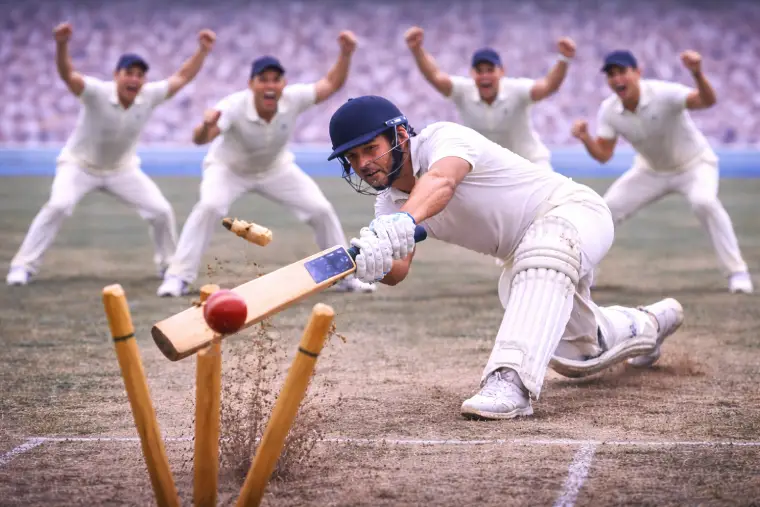
The story of the Best Emerging Cricket Nations Since 2000 is a journey from a place where a team start from 0 with this confidence that they will become a great team one day lot of sacrifices, mindset shift, and adaptability required with dedication and only few teams able to make it and removed a tag of “associate” it took approx 25 yrs that is a very long time in this shift.
This transformation did not happen overnight. It grew through grassroots systems, ICC development programs, passionate fan bases, and fearless cricketers who refused to accept limits. The result? A new era where rising cricket teams challenge traditional giants regularly.
The Data Analysis: A New Order (2000–2026)
To understand the Best Emerging Cricket Nations Since 2000 and how they achieved success, we must look beyond emotion and focus on measurable impact.
Success can be tracked through:
- Full Member status transitions
- Major World Cup upsets
- ICC rankings improvement
- Bilateral series wins against top nations
Bangladesh became a Full Member in 2000. Afghanistan followed in 2017 after one of the fastest climbs in ICC history. Nepal, though still an Associate, has dramatically expanded its international footprint.
Check out Cricket Schedule (Matches & Timings):
Latest International & Domestic Cricket Schedule
Comparative Snapshot
| Nation | Full Status Year | Key Milestone (Recent) | Current T20I Rank (2026) |
|---|---|---|---|
| Afghanistan | 2017 | T20 World Cup Semi-Final (2024) | 7th |
| Bangladesh | 2000 | 25th Test Victory (2025) | 9th |
| Nepal | Associate | Historic Win vs Scotland (2026) | 16th |
The numbers confirm what fans already sense: associate nations’ cricket growth is no longer symbolic — it is structural.
Rank 1: Afghanistan – The Miracle Rise
Afghanistan’s journey is perhaps the most compelling underdog cricket success story in modern sport.
Formed by refugees who learned the game in Pakistan, Afghanistan climbed through the ICC World Cricket League faster than any nation before them. By 2024, they were no longer “giant killers.” They were contenders.
Key milestones:
- ICC Affiliate status (2001)
- Full Membership (2017)
- T20 World Cup Semi-final (2024)
- Top 8 ranking sustained through 2026
Their famous win over Australia in 2024 was not luck — it was tactical discipline.

As a former Afghan captain said during the 2025 Champions Trophy run:
“We didn’t have facilities, but we had hunger. Now the world respects us.”
The Architect: Rashid Khan
Rashid Khan symbolises global cricket development in action. His fast-leg spin redefined T20 strategy. Alongside Mohammad Nabi’s leadership and Azmatullah Omarzai’s emergence as a seam-bowling all-rounder, Afghanistan built balance.
Their system now produces emerging cricket talents regularly — not occasionally.
Find out more Cricket Series (Upcoming & Ongoing Tours):
Complete List of Ongoing & Upcoming Cricket Series
Rank 2: Bangladesh – From Survival to Strength
Bangladesh’s rise is more gradual but equally powerful. Early years were brutal — 21 consecutive Test losses and 23 ODI defeats tested belief. But around 2015, something shifted.
Mirpur became a fortress. India, Pakistan, and South Africa all fell in bilateral series.
By 2026, Bangladesh will no longer be home to specialists. They compete abroad consistently, highlighted by a Test win in New Zealand and improved pace depth.
Shakib Al Hasan once said:
“The 2007 win was a belief. Now we play to dominate.”
The Golden Generation
Shakib’s influence shaped an era. Mehidy Hasan Miraz carried the all-round legacy forward. Taskin Ahmed added pace and firepower. In 2025, the Bangladesh board introduced performance-based contracts, strengthening youth pipelines.
Bangladesh’s case perfectly illustrates the Best Emerging Cricket Nations Since 2000 key players and milestones narrative — sustained development, not sudden spikes.
Rank 3: Nepal – The Passion Revolution
Nepal represents the emotional heartbeat of cricket expansion in Europe and Asia. While still an Associate, their fan energy rivals Full Members.
In 2026, Nepal defeated Scotland at the T20 World Cup, ending a 4,352-day drought between major tournament wins. That moment symbolised resilience.
Key indicators:
- 140% increase in international fixtures in the past decade
- 66% T20I win rate (mostly Associate opposition)
- Bilateral series win vs West Indies (2025)
Nepal’s rise proves that market potential and structure matter equally.
The Leaders of the Pack
Sandeep Lamichhane introduced Nepal to global leagues. Rohit Paudel stabilised leadership. Dipendra Singh Airee’s explosive 50 off 23 balls in 2026 elevated Nepal’s T20 profile worldwide.
Their journey reflects the Best Emerging Cricket Nations Since 2000 growth story and ICC impact — strategic backing plus raw passion.
Comparative Growth Analysis (2000 vs 2026)
The win/loss ratio against top-five nations shows dramatic improvement:
- Afghanistan: 0.10 (2009–12) → 0.45 (2022–26)
- Bangladesh: 0.05 (2000–04) → 0.42 (2021–25)
- Nepal: 66% overall T20I win rate (2026)
This trend confirms that the gap between Full Members and the Best Emerging Cricket Nations Since 2000 among associate nations has narrowed.
Why This Shift Matters
Here is a unique insight often missed:
The real difference is scheduling equity.
Since 2015, ICC development programs have ensured more structured fixture pathways. Emerging sides now get consistent international exposure instead of isolated tournaments. Repetition builds belief.
Another overlooked factor is diaspora leagues in Europe. Club cricket networks have accelerated cricket expansion in Europe, particularly benefiting Afghanistan and Italy-style growth models.
The next phase of global cricket development will depend on maintaining competitive balance — not protecting hierarchy.
Conclusion: The Game Is Truly Global
The Best Emerging Cricket Nations Since 2000 that shows and unfold chapter of new teams and provided opportunity teams to show of them. Afghanistan became one of the great cricket playing nation that came out of the smaller team, and Bangladesh became long term player of cricket. Now Nepal team is also showing passion and commercial temptations to catch their eyes.
As 2026 unfolds, the line between “emerging” and “established” continues to blur. The next decade may not just feature these teams competing — it may see them lifting ICC trophies.
Explore Cricket Teams (All Nations & Squads):
All International & Associate Cricket Teams Guide
Cricket’s future is no longer confined. It is global.
FAQs
Which country tops the Best Emerging Cricket Nations Since 2000 list?
Afghanistan leads due to a rapid rise and consistent ICC performance.
How did Bangladesh transform after early struggles?
Through home dominance, youth systems, and all-around leadership depth.
Is Nepal close to Full Member status?
They are progressing steadily but remain an Associate for now.
What role did ICC development programs play?
They provided structured pathways and increased international fixtures.
Why has the performance gap narrowed?
More exposure, tactical maturity, and stronger domestic systems.