
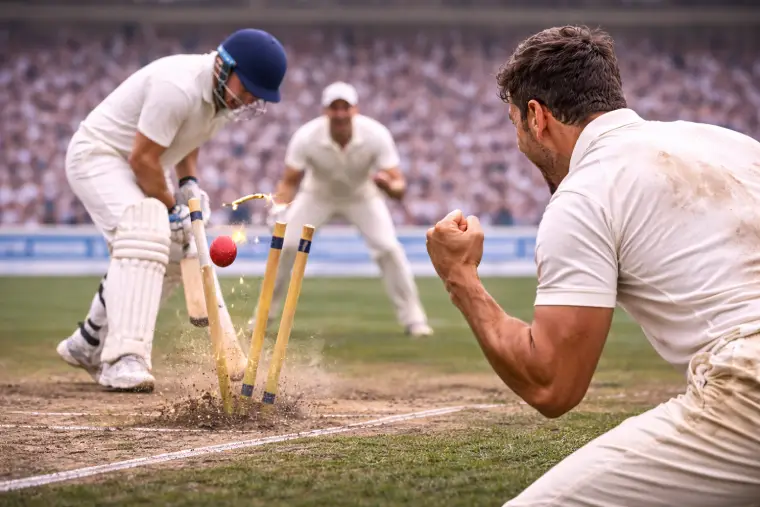
The fascination with speed is timeless, where they were a speed booster where they can get the game for the teams. The fastest bowlers in cricket history forced batters into survival mode. They cracked helmets to shattered stumps, thier delieveries changes the games and the mindset.
This is not just a ranking. It’s a verified breakdown of the fastest bowlers in cricket history list with speed records, supported by match data, format analysis, and modern context.
The race to breach the 100 mph barrier — the mythical 160 km/h bowling record — became the ultimate benchmark for the world’s quickest cricket bowlers. And a few actually crossed it.
The Top 10 Fastest Bowlers in Cricket History
Speed isn’t just a statistic. It’s intimidation measured in kilometers per hour. Below are the top 10 fastest bowlers in cricket history ranked by their officially recorded peak delivery.
1. Shoaib Akhtar (Pakistan)
- Top Speed: 161.3 km/h (100.2 mph)
- Record Date: February 22, 2003 (vs England)
Shoaib Akhtar’s fastest ball speed remains the fastest delivery ever recorded in cricket. Known as the Rawalpindi Express, he redefined extreme pace bowling.
2. Brett Lee (Australia)
- Top Speed: 161.1 km/h (100.1 mph)
- Record Date: March 6, 2005 (vs New Zealand)
The Brett Lee top bowling speed record proved that rhythm and repeatability can coexist with aggression.
3. Shaun Tait (Australia)
- Top Speed: 161.1 km/h (100.1 mph)
- Record Date: July 2, 2010 (vs England)
Shaun Tait’s fastest spell in cricket during the 2010 ODI series remains unforgettable — hostile, wild, and unplayable.
4. Jeff Thomson (Australia)
- Top Speed: 160.6 km/h (99.8 mph)
- Record Date: 1975 (vs West Indies)
Jeff Thomson’s raw pace bowling in the 1970s came before modern speed guns were common, yet his numbers still stand among giants.
5. Mitchell Starc (Australia)
- Top Speed: 160.4 km/h (99.7 mph)
- Record Date: November 15, 2015 (vs New Zealand)
Starc’s left-arm angle makes his pace appear even faster off the pitch.
6. Andy Roberts (West Indies)
- Top Speed: 159.5 km/h (99.1 mph)
- Record Date: 1975 (vs Australia)
Part of the fearsome West Indies quartet, Roberts mastered controlled hostility.
Explore Cricket Teams (All Nations & Squads):
All International & Associate Cricket Teams Guide
7. Fidel Edwards (West Indies)
- Top Speed: 157.7 km/h (98.0 mph)
- Record Date: 2003 (vs South Africa)
A slingy action and explosive release made him unpredictable.
8. Mitchell Johnson (Australia)
- Top Speed: 156.8 km/h (97.4 mph)
- Record Date: 2013 (vs England)
His 2013 Ashes spell remains one of cricket’s most intimidating exhibitions.
9. Shane Bond (New Zealand)
- Top Speed: 156.4 km/h (97.2 mph)
- Record Date: 2003 (vs India)
Injuries limited him, but peak Bond was unstoppable.
10. Anrich Nortje (South Africa)
- Top Speed: 156.2 km/h (97.0 mph)
- Record Date: 2020 (IPL context)
Modern T20 cricket has seen him maintain extreme pace with control.
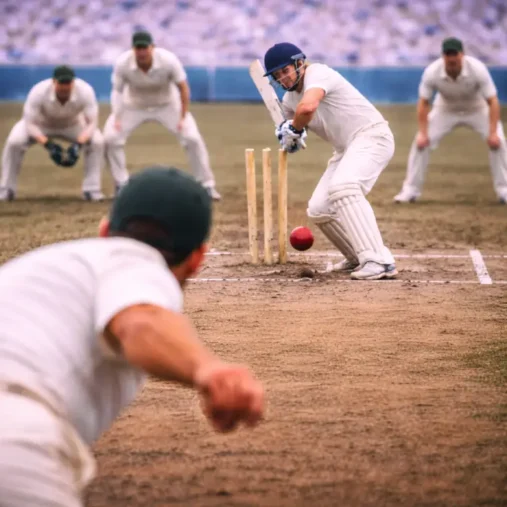
If you’re wondering who bowled the fastest delivery in cricket history, the answer remains Shoaib Akhtar at 161.3 km/h.
How They Became the Greatest: The Path to Velocity
Becoming one of the Fastest Bowlers in Cricket History demands more than a strong arm.
- Explosive lower-body drive
- Perfect hip-shoulder separation
- Stable front-foot landing
- Core strength and endurance
- Relentless repetition
Shoaib Akhtar built his speed on unforgiving practice surfaces. His long run-up generated kinetic energy that exploded at release.
Brett Lee relied on biomechanical precision. His action remained smooth even while touching 100 mph.
Modern bowlers like Starc and Nortje now combine sports science with analytics. GPS data, workload monitoring, and pace bowling speed gun records help preserve longevity.
As Akhtar once said:
“Pace is not just about the arm. It’s about the heat in your soul and the strength in your legs.”
Critical Game-Changing Performances
Speed without impact means little. The Fastest Bowlers in Cricket History delivered when it mattered.
Mitchell Johnson – 2013–14 Ashes
- 37 wickets in the series
- Regular 150+ km/h spells
- 7/40 in Adelaide
England’s top order never fully recovered from that barrage.
Shoaib Akhtar – 1999 World Cup & Kolkata Test
- Key spells in World Cup campaign
- Dismissed Dravid and Tendulkar in consecutive balls in Kolkata
Few moments in cricket history carry that level of intensity.
Find out more Cricket Series (Upcoming & Ongoing Tours):
Complete List of Ongoing & Upcoming Cricket Series
Shane Bond – 2003 World Cup vs Australia
- 6/23 against dominant champions
Raw pace met accuracy — and Australia struggled.
For more iconic bowling spells, explore our in-depth archive on Cricketer.io’s historical match analysis section.
Data-Backed Analysis Across Formats
The influence of the Fastest Bowlers in Cricket History changes by format.
Test Cricket: The Endurance Test
- Used in 3–4 over burst spells
- Average elite speed: 145–150 km/h
- Higher percentage of bowled and LBW dismissals
Fear and bounce matter more than sheer speed over five days.
ODI Cricket: The Middle Over Enforcers
In the 2003 World Cup, Akhtar and Lee averaged above 150 km/h in opening spells. Studies suggest that bowlers crossing 150 km/h reduce powerplay scoring by roughly 10–12%.
Breaking partnerships becomes their primary weapon.
T20 Cricket: The Death Over Specialists
Modern T20 has amplified pace. Nortje’s 156.2 km/h delivery to Jos Buttler in the IPL showed batters have less than 0.4 seconds to react.
Hard lengths at extreme speed dominate.
Format
Strategic Role of 150+ km/h Bowlers
Typical Impact Metric
Test
Creating “fear factor” and removing tail-enders.
Higher % of “bowled” and “LBW” dismissals.
ODI
Breaking long partnerships in the middle overs.
Lower economy rates during the 11-40 over block.
T20
Eliminating power-hitters at the death.
Increased “dot ball” percentage in the final 4 overs.
The Biomechanics of the 100 MPH Mark
Crossing 160 km/h isn’t accidental.
Jeff Thomson’s action was unconventional — almost slingshot-like. Biomechanical studies highlight extreme hip-shoulder separation as the power source.
Mark Wood, England’s modern speedster, averaged 151.2 km/h across an over in 2024 against the West Indies — the fastest sustained over recorded on English soil.
Brett Lee once explained it simply:
“You don’t just wake up and bowl 100 mph. It’s genetics, strength, and thousands of repetitions.”
The fastest bowlers in cricket history with the highest recorded speed share one trait — violent efficiency. Every muscle works in sequence.
Unique Insight: Why 100 MPH Is Rarer Today
Interestingly, despite better fitness and data tracking, crossing 160 km/h has become rarer.
Why?
- Packed international calendars
- Injury management
- Emphasis on accuracy over brute speed
- T20 workload
Teams now prefer sustainable 145–150 km/h rather than risking breakdowns chasing extreme numbers.
That’s why the names in the Fastest Bowlers in Cricket History list remain timeless.
Final Verdict
The obsession with pace will never fade. The Fastest Bowlers in Cricket History didn’t just have a history because they were speed gun. The batting techniques were only a matter of survival. Otherwise, these speed guns were dangerous enough to get the game.
From Shoaib Akhtar’s thunderbolts to Nortje’s modern rockets, raw speed remains cricket’s most visceral weapon.
And until someone consistently breaches 162 km/h, the throne still belongs to the Rawalpindi Express.
Check out Cricket Schedule (Matches & Timings):
Latest International & Domestic Cricket Schedule
FAQs
Who holds the record for the fastest delivery in cricket history?
Shoaib Akhtar at 161.3 km/h against England in 2003.
Has anyone bowled faster than 161.3 km/h?
No officially recorded delivery has surpassed that mark.
Why are 160 km/h deliveries rare today?
Workload management and injury prevention limit extreme pace attempts.
Which format benefits most from extreme pace?
T20 cricket, especially in death overs.
Are modern speed guns more accurate than older ones?
Yes, today’s radar systems are more precise and standardized globally.