
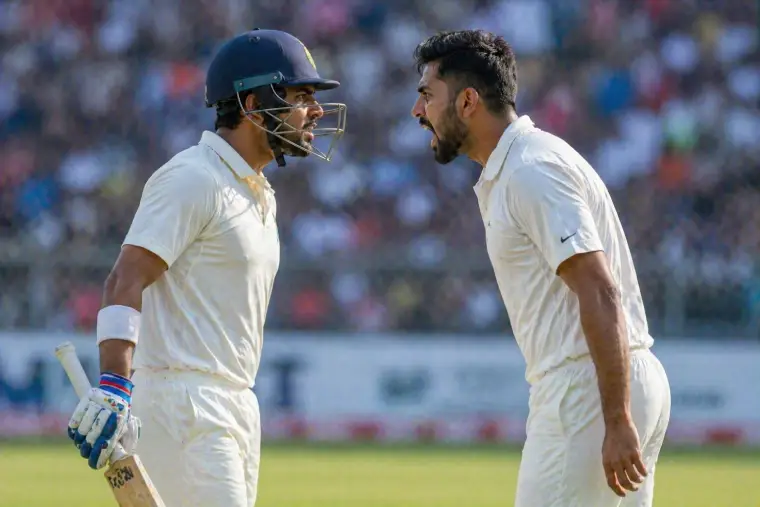
A single IPL match now generates more revenue than an entire PSL team’s annual salary cap. This is a unique thing that attracts cricketers from around the world. So now think where this comes from, “IPL vs PSL Full Comparison“, like how and is it that possible at all by already having a league like BBL also in the market. This is what this article is all about: to clear whether it is really needed or not.
Over the past two seasons, scheduling clashes have forced a direct face-off between the Indian Premier League and the Pakistan Super League. But when you go beyond surface-level debates, the IPL vs PSL Full Comparison becomes less about rivalry and more about structure, money, and long-term vision.
This analysis focuses on what actually explains the gap—and why it continues to grow.
Understanding the Core Concept
At a basic level, both leagues operate under the T20 franchise model, but their foundations differ significantly. Any proper IPL vs PSL Full Comparison must begin with how teams are built.
The IPL uses an open auction system where market demand decides player value. This naturally pushes salaries higher and creates a competitive financial ecosystem. In contrast, the PSL historically used a draft system to maintain balance, only recently experimenting with auctions.
Another key difference in this IPL vs PSL Full Comparison is intent. The IPL is designed as a global sports-entertainment product, while the PSL has leaned more toward talent development, especially in fast bowling.
These structural differences set the stage for everything that follows.
Data Comparison & Statistical Evidence
When analyzing the IPL vs PSL Full Comparison, the numbers make the gap obvious.
| Metric | IPL (2026) | PSL (2026) |
|---|---|---|
| Media Rights Value | ~$6.4 Billion (5 yrs) | ~$93 Million (4 yrs) |
| Per Match Value | ~$13.4 Million | ~$0.77 Million |
| League Valuation | ~$18.5 Billion | ~$260 Million |
| Winner Prize Money | ₹20 Crore | ~$500,000 |
| Salary Cap (Team) | ₹100+ Crore | ~$1.6 Million |
The gap is massive. IPL earns nearly 17 times more per match, directly influencing player salaries and league growth.
| Performance Metric | IPL | PSL |
|---|---|---|
| Avg Team Score | 185–200 | 160–175 |
| Strike Rate (Top Order) | ~154 | ~138 |
| Avg Pace Speed | ~138 kph | ~141 kph |
From an IPL Vs PSL Statistics And Records perspective, the IPL favors batting dominance, while PSL conditions reward pace bowling.
This is also reflected in IPL Vs PSL Popularity and Viewership Trends, where IPL’s global broadcast reach gives it a clear advantage.
The T20 Titan Clash: IPL vs. PSL (2008–2026) — A Decadal Evolution of Power and Passion
In the modern cricketing era, the debate over which league reigns supreme—the Indian Premier League (IPL) or the Pakistan Super League (PSL)—has shifted from a mere water-cooler discussion to a complex, data-driven analytical war. As of 2026, the two leagues operate as the twin suns of the T20 universe, though they orbit vastly different economic and structural centers.
The IPL, which began in 2008, was the architect of the franchise model. The PSL, arriving in 2016, sought to refine that model with a focus on raw, high-velocity talent and competitive parity. This article explores the staggering financial gap, the contrasting rulebooks, and the atmospheric differences that define these two giants.
The Financial Stratosphere: Year-by-Year Cost Analysis
The most visible difference between the two leagues is the price tag of their stars. While the IPL operates through a high-stakes auction system, the PSL utilizes a draft system (though it began a partial transition to auction elements in 2026). Below is a year-by-year comparison of the most expensive players in each league.
Most Expensive Player Comparison (2016–2026)
| Year | IPL Player (INR) | IPL Amount (Approx. INR) | PSL Player (PKR) | PSL Amount (Approx. PKR) |
| 2016 | Shane Watson | ₹9.5 Crore | Shane Watson | ₨1.4 Crore (Platinum) |
| 2017 | Ben Stokes | ₹14.5 Crore | Chris Gayle | ₨1.4 Crore (Platinum) |
| 2018 | Ben Stokes | ₹12.5 Crore | Babar Azam | ₨1.6 Crore |
| 2019 | Jaydev Unadkat | ₹8.4 Crore | AB de Villiers | ₨1.7 Crore |
| 2020 | Pat Cummins | ₹15.5 Crore | Dale Steyn | ₨1.8 Crore |
| 2021 | Chris Morris | ₹16.25 Crore | Rashid Khan | ₨2.0 Crore |
| 2022 | Ishan Kishan | ₹15.25 Crore | Liam Livingstone | ₨2.1 Crore |
| 2023 | Sam Curran | ₹18.5 Crore | Babar Azam | ₨3.4 Crore |
| 2024 | Mitchell Starc | ₹24.75 Crore | Naseem Shah | ₨4.5 Crore |
| 2025 | Rishabh Pant | ₹27.0 Crore | Babar Azam | ₨5.0 Crore |
| 2026 | Cameron Green | ₹25.2 Crore | Steve Smith | ₨14.0 Crore |
Key Reasons Behind the Trend
Structural Differences
The biggest takeaway from any IPL vs PSL Full Comparison is the revenue model.
The IPL distributes massive broadcast income centrally, ensuring every franchise remains financially strong. The PSL operates on a much smaller scale, limiting growth potential.
This is the core of IPL Vs PSL Revenue, Salary, and Prize Money Comparison.
Tactical Factors
Rules and gameplay innovations also play a role in the IPL vs PSL Full Comparison.
The IPL’s Impact Player rule has changed match dynamics, increasing scoring rates and extending batting depth. Meanwhile, PSL matches are shaped more by pitch behavior and bowling tactics.
This contrast defines IPL Vs PSL Rules, Format, and Playing Conditions Analysis.
Skill Gap Impact
Another important layer in the IPL vs PSL Full Comparison is skill adaptation.
- IPL rewards power hitting and finishing
- PSL rewards pace and control
So, the IPL Vs PSL Team Strength and Player Quality Comparison depends heavily on playing conditions rather than pure ability.
If you want a complete breakdown of how auction prices have evolved over the years, check out the detailed list of IPL most expensive players from 2008 to 2026. It gives a clear picture of how teams have invested heavily in top talent.
Why the Opposite Scenario Fails
A realistic IPL vs PSL Full Comparison must also address whether PSL can close the gap.
The biggest limitation is financial scale. Without large media rights deals, increasing salaries is difficult.
In an IPL Vs PSL Foreign Player Participation Analysis, top international players consistently prefer IPL contracts due to higher earnings and visibility.
Additionally, infrastructure challenges and limited stadium monetization impact PSL growth. This becomes evident when comparing IPL Vs PSL Stadiums and Pitch Conditions.
These factors make it difficult for PSL to match IPL’s pace.
Real Match Examples
Real matches further support the IPL vs PSL Full Comparison.
In IPL 2026, multiple games saw totals crossing 200 consistently. This reflects batting-friendly conditions and deeper line-ups.
On the other hand, PSL matches in Rawalpindi and Multan showed lower totals but higher bowling impact, especially from fast bowlers.
Another key example in this IPL vs PSL Full Comparison is player movement. During scheduling overlaps, several players chose IPL contracts over PSL, highlighting financial priorities.
These patterns align with broader league trends.
Expert Insight
One underrated factor in the IPL vs PSL Full Comparison is digital expansion.
The IPL has aggressively invested in streaming and global accessibility, boosting its IPL Vs PSL Broadcast Rights Value Comparison and overall reach.
This directly improves IPL Vs PSL Sponsorship And Brand Value, attracting international brands.
The PSL, while growing, remains more region-focused.
A deeper insight from this IPL vs PSL Full Comparison is positioning:
- IPL → Global entertainment ecosystem
- PSL → Talent development pipeline
This explains the differences between IPL and PSL in Growth and Global Impact.
Conclusion
The IPL vs PSL Full Comparison shows a lot about each area, like players, budget, and economics, etc. As you have read the full article that shows how these operate on global capital, commercial scale, and entertainment value. The other focuses on competitiveness and player development its all about these only.
The gap is not just about cricket—it is about structure, economics, and long-term vision.
And unless those foundations change, the difference will continue to grow.
FAQs
Why is IPL ahead in every IPL vs PSL Full Comparison?
Because of stronger financial backing, global reach, and higher media rights value.
Does PSL have better bowling quality?
Yes, PSL conditions favor pace, making it strong for fast bowlers.
Why do players choose IPL over PSL?
Higher salaries and better exposure influence decisions.
Is PSL trying to close the gap?
Yes, recent structural changes show intent to compete.
Will the IPL vs PSL Full Comparison gap reduce in the future?
Only if PSL significantly improves its revenue ecosystem.