
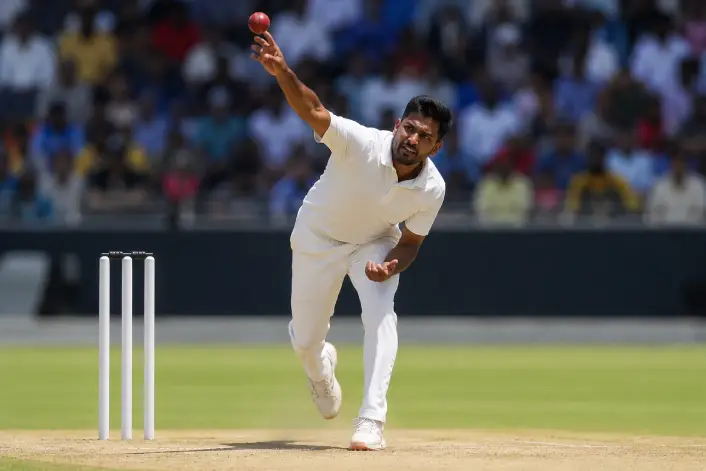
A trend of hit-wicket people don’t talk much about because players have been too skilled, so they try to avoid it as much as possible. However, this trend of cricket is too old for cricketer.io’s analysis on the Most hit Wicket Batsman in T20 to find out the players who got out in this format quite often.
Although hit wicket remains one of the rarest dismissal types in cricket, T20 internationals have produced several surprising incidents over the years. The Most hit Wicket Batsman in the T20 category is no longer just about accidental foot movement. It now reflects how modern batting techniques, pressure situations, and innovative stroke-making affect player balance at the crease.
This detailed analysis covers the Most Hit Wicket Batsman In T20 International Cricket records, statistical patterns, tactical reasons, and real examples that explain why these dismissals are becoming more noticeable in elite T20 cricket.
Why it happens?
A batter is ruled out hit wicket if they accidentally break the stumps with their body, bat, helmet, or clothing while attempting to play the ball or immediately after beginning the shot.
The Most hit Wicket Batsman in T20 discussion becomes relevant because T20 cricket demands constant attacking intent. Unlike Tests or ODIs, batters rarely have time to settle. Players move across the crease frequently, attempt scoop shots, and generate power from difficult positions.
That aggressive approach naturally increases the risk of unusual dismissals.
The Most Hit Wicket Batsman In T20 International Cricket list mostly includes players known for explosive batting styles. Power hitters and finishers often stand deep in the crease to create room against fast bowlers, but this positioning also reduces awareness of the stumps behind them.
Modern T20 Cricket Stats show that hit wicket dismissals happen more frequently during:
- Death overs
- High-pressure run chases
- Fast bowling spells
- Aggressive boundary attempts
The Most hit Wicket Batsman in T20 trend therefore reflects the evolution of batting rather than simple bad luck.
Data Comparison & Statistical Evidence
The Players With Most Hit Wickets In T20 History include several well-known international cricketers. While the numbers are still low compared to other dismissals, the pattern reveals how aggressive batting increases risk.
| Player | Team | Hit Wicket Dismissals | T20I Matches |
|---|---|---|---|
| Mohammad Hafeez | Pakistan | 2 | 119 |
| Kevin O’Brien | Ireland | 2 | 110 |
| Thisara Perera | Sri Lanka | 2 | 84 |
| Paul Stirling | Ireland | 2 | 150+ |
| Multiple Players | Various Teams | 1 | Varies |
The Most hit Wicket Batsman in T20 records remains relatively small because hit wicket dismissals are extremely rare overall.
Comparison With Other Dismissal Types
| Dismissal Type | Frequency in T20Is |
|---|---|
| Caught | Very Common |
| Bowled | Common |
| LBW | Moderate |
| Run Out | Moderate |
| Hit Wicket | Very Rare |
Even players with long international careers often avoid this dismissal entirely. That is why the Most Times Hit Wicket Dismissal In T20Is category attracts attention whenever a new case appears.
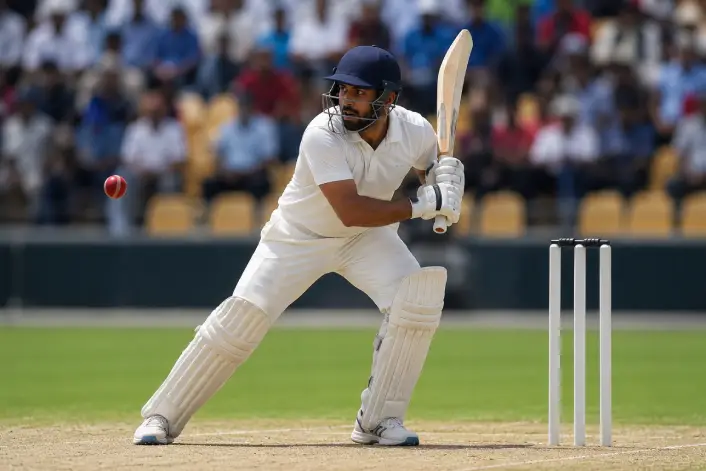
Recent T20 Cricket Stats also suggest that modern franchise leagues have slightly increased the frequency of such dismissals due to aggressive batting innovation.
Also Read: Most Catches in T20I Cricket History
Key Reasons Behind the Trend
Aggressive Batting Structure in T20 Cricket
The biggest factor behind the Most hit Wicket Batsman in T20 trend is the structure of T20 cricket itself.
Batters are encouraged to attack from the very first ball. Teams prioritize strike rates, boundary percentages, and power hitting over defensive survival. This forces players into unusual body positions near the stumps.
The Most hit Wicket Batsman in T20 category often includes players who shuffle across the crease while attempting ramps, scoops, and pull shots. Such movement reduces balance and spatial awareness.
Traditional batting methods generally keep players side-on and away from the stumps. Modern T20 cricket does the opposite.
Tactical Pressure Created by Fast Bowlers
Fast bowlers have adapted brilliantly to aggressive batting.
Wide yorkers, slower bouncers, and body-line deliveries now dominate death-over bowling plans. These tactics force batters to adjust quickly inside the crease.
Several Weird Dismissals In Cricket history have occurred because batters lost balance while reacting to pace or unexpected bounce.
The Most hit Wicket Batsman in T20 records are strongly connected to fast bowling pressure. Players trying to create power from cramped positions sometimes drag their back foot onto the stumps without realizing it.
Rise of Innovative Shot Selection
One major reason behind the Most hit Wicket Batsman in T20 trend is the rise of unconventional shot-making.
Modern T20 players frequently attempt:
- Reverse scoops
- Ramp shots
- Switch hits
- Deep-crease pull shots
These strokes increase scoring opportunities but also increase the chance of accidental stump contact.
Many of the Most Unusual Outs In T20 have happened during attempts to improvise against yorkers or slower balls. The risk becomes even higher under scoreboard pressure.
Mental Pressure and Decision-Making
The mental side of T20 cricket also matters.
Batters often make split-second decisions during high-pressure chases. In those moments, balance and footwork can disappear quickly.
The Most hit Wicket Batsman in T20 pattern is partly psychological because players prioritize boundary scoring over body positioning. That aggressive mindset creates more room for unusual dismissals.
Why the Opposite Scenario Fails
A conservative batting style usually reduces hit wicket risk.
Batters who remain balanced and avoid excessive movement rarely disturb the stumps. However, that traditional approach often struggles in modern T20 cricket because scoring rates continue to rise every season.
Teams now expect middle-order players to attack immediately.
This creates a difficult trade-off:
- Safe technique reduces dismissal risk
- Aggressive intent increases scoring potential
The Most hit Wicket Batsman in T20 records exist because modern cricket rewards risk-taking. A batter who plays cautiously may survive longer but often fails to maintain the required strike rate.
This is why the Hit Wicket Dismissal Record category mainly includes aggressive power hitters rather than technically defensive players.
Real Match Examples and Case Studies
Mohammad Hafeez and Back-Foot Movement
Mohammad Hafeez remains one of the notable names in the Most Hit Wicket Batsman in T20 International Cricket list.
One of his dismissals came while attempting an attacking shot against extra pace. His back foot moved too close to the stumps during the follow-through, leading to a rare dismissal.
The incident highlighted how even experienced international players can lose awareness under pressure.
Thisara Perera’s Explosive Batting Style
Thisara Perera built his reputation as an aggressive finisher.
His power-hitting method often involved standing deep inside the crease against fast bowlers. While effective for boundary scoring, that approach also increased his risk near the stumps.
Several Rare Cricket Records involving hit wicket dismissals have featured players with similar batting methods.
Paul Stirling’s Aggressive Trigger Movement
Paul Stirling is another batter connected to the Most hit Wicket Batsman in T20 discussion.
His aggressive trigger movement allows him to access leg-side boundaries effectively, but it also places him close to the stumps during pull and scoop attempts.
This reflects a larger tactical trend in modern T20 cricket rather than isolated mistakes.
Expert Insight and Unique Angle
One hidden factor behind the Most hit Wicket Batsman in T20 trend is bat design evolution.
Modern bats are heavier around the edges and built for maximum power generation. While this helps players clear boundaries, it also affects balance during quick directional movement.
Another overlooked reason involves crease depth usage.
Many T20 batters intentionally stand deep inside the crease to counter yorkers. This creates extra hitting angles but leaves less room for backward movement.
Analysts studying Cricket Dismissal Types have also noticed that franchise cricket produces more hit wicket incidents than bilateral internationals. League tournaments encourage fearless experimentation because players are rewarded for innovation.
The Most hit Wicket Batsman in T20 category therefore represents more than a statistical curiosity. It reflects how modern batting philosophy has changed completely over the last decade.
Conclusion from Cricketer.io
The Most hit Wicket Batsman in T20 records shows that this happens quite often whenever a player is quite aggressive, and by mistake, they get hit wicket. Anyways in the modern era, batters are quite smart, and they avoid this.
Hit-wicket dismissals may remain uncommon, yet they are no longer viewed as random accidents. They are closely linked to modern T20 tactics, innovative stroke-making, and the pressure to maintain high strike rates.
As T20 cricket continues evolving, unusual dismissals will likely become an even bigger part of the game’s statistical landscape.
FAQ
Who has the most hit wicket dismissals in T20I cricket?
Mohammad Hafeez, Kevin O’Brien, Thisara Perera, and Paul Stirling are among the players with the highest numbers.
Why are hit wicket dismissals more common in T20 cricket?
Aggressive batting, innovative shots, and deep crease movement increase the risk significantly.
Which players are most vulnerable to hit wicket dismissals?
Power hitters and attacking middle-order batters face the highest risk.
Do fast bowlers contribute to hit wicket dismissals?
Yes, yorkers, bouncers, and body-line deliveries often force awkward batting positions.