

A decade ago, run chase was not easy and was usually understood as if a team scored 270+, then it was considered competitive or winable. The trend has changed now, and chasing 300+ is also possible. In this article, you will find out more about this and will find out that most successful 300+ ODI Run Chases are only possible if teams have batting depth.
The Most Successful 300+ ODI Run Chases are no longer rare events. Modern batting units attack early, rotate strike smartly, and preserve momentum deep into the innings. That tactical shift has changed how captains approach toss decisions, bowling plans, and even team selection.
During the Modern ODI Batting Era, teams started believing that any target above 300 could still be chased successfully if wickets remained in hand. That confidence created several unforgettable finishes and some of the greatest ODI Cricket Records ever seen.
Why the Most Successful 300+ ODI Run Chases Matter
The Most Successful 300+ ODI Run Chases reveal more than batting skill. They highlight tactical awareness, emotional control, and the ability to manage pressure over 50 overs.
In earlier years, teams scoring 320 or 330 usually felt safe. That is no longer the case. Chasing sides now approach big targets with calculated aggression instead of fear.
This could be the turning point in ODI cricket history because batting depth has become more valuable than conservative accumulation. Teams willing to attack during middle overs often gain a massive psychological edge.
The Highest Successful 300+ ODI Run Chases in Cricket also show how modern players adapt to changing match situations. One strong partnership can completely alter momentum within a few overs.
Evolution of Big ODI Chases
The Most Successful 300+ ODI Run Chases became more frequent after batting strategies evolved globally.
Earlier ODI teams relied heavily on one anchor batter. Modern sides prefer multiple attacking options throughout the lineup. That change allows teams to maintain scoring rates even after losing wickets.
Key Reasons Behind More Successful Chases
- Better batting depth
- Aggressive powerplay intent
- Improved fitness standards
- Fearless finishing roles
- Advanced data analysis
The Highest Run Chase in ODI Cricket remains South Africa’s famous 438-run pursuit against Australia in Johannesburg during 2006. That match changed the mentality of ODI teams forever.
Before that game, chasing 400 seemed unrealistic. After it, teams began approaching large totals differently.
Teams Dominating the Most Successful 300+ ODI Run Chases
Several nations have consistently mastered high-pressure pursuits.
| Team | Major Strength in Chases |
|---|---|
| India | Controlled middle overs |
| Australia | Aggressive mentality |
| South Africa | Boundary acceleration |
| England | Modern attacking template |
| Pakistan | Calm finishing combinations |
Teams With Most 300+ Run Chases in ODI History usually share one important quality: they do not panic when the required rate climbs.
India’s batting structure has produced many successful pursuits because the middle order rotates strike effectively before accelerating late.
Australia often succeed through fearless cricket. Their aggressive intent forces bowlers to change plans early in the innings.
Pakistan’s recent improvement in chasing has come from stronger finishing roles and better handling of spin during middle overs.
Tactical Patterns Behind the Most Successful 300+ ODI Run Chases
The Most Successful 300+ ODI Run Chases are built on structure rather than random hitting.
Powerplay Approach
Modern chasing teams attack poor deliveries immediately while avoiding unnecessary risks.
The best ODI sides usually aim for:
- Quick starts without reckless shots
- Boundary options against pace
- Minimal dot-ball pressure
Early momentum allows middle-order batters to control the required rate later.
Middle Overs Control
A key factor most fans ignore is strike rotation.
Teams that regularly collect singles and twos during overs 15–35 avoid scoreboard pressure late in the innings. That phase often decides whether a chase stays alive.
Successful ODI Chasing Teams rarely depend entirely on boundaries. They focus heavily on maintaining rhythm.
Finishing Overs
Death-over execution separates average chasing sides from elite ones.
Most Successful High-Scoring ODI Chases Ever often include:
- One batter scoring a century
- A partnership above 80 runs
- Strong finishing between overs 40–50
Finishers now train specifically for yorkers, slower balls, and wide-line bowling tactics.
Famous Matches in the Most Successful 300+ ODI Run Chases
South Africa vs Australia – Johannesburg 2006
South Africa’s 438 chase remains one of cricket’s greatest games. Herschelle Gibbs attacked relentlessly while partnerships kept pressure on Australia’s bowlers.
That match still leads conversations around the Biggest ODI Run Chases Successfully Completed.
India vs Sri Lanka – Hobart 2012
India chased aggressively from the beginning because net run rate mattered heavily in the tournament.
Virat Kohli’s controlled aggression during that chase changed perceptions about pressure batting in ODI cricket.
Pakistan vs Australia – Lahore 2022
Pakistan’s successful pursuit above 340 showed how modern teams pace innings more effectively than previous generations.
The calm approach during the middle overs proved crucial.
Also Read: Most Hit-Wicket Batsman In T20 History: Complete List, Stats and Unique Dismissals in Cricket – Most Hit-Wicket Batsman In T20 History
Importance of Partnerships in Big Chases
Record-Breaking ODI Partnerships remain the foundation of nearly every successful 300-plus pursuit.
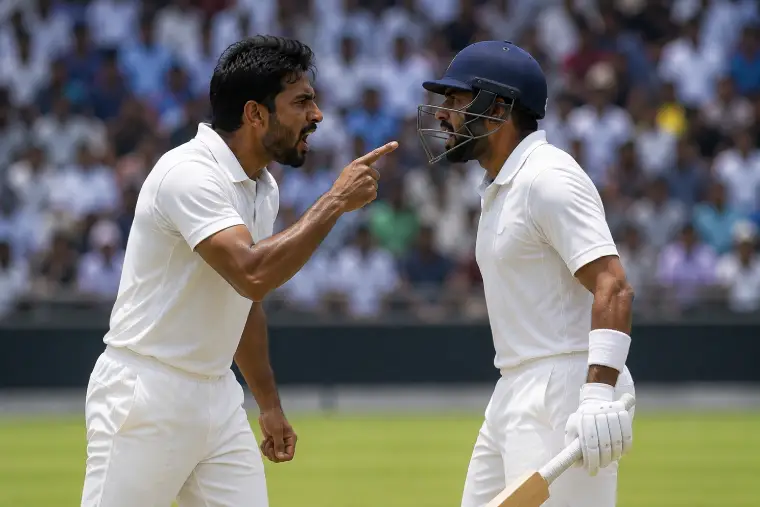
Large totals become manageable when batters build momentum gradually instead of forcing risky shots.
Why Partnerships Matter
- Reduce scoreboard pressure
- Force captains into defensive fields
- Disrupt bowling rhythm
- Create easier finishing scenarios
The Most Memorable ODI Run Chases often feature one partnership that completely shifts momentum.
As former Australian captain Michael Clarke once said:
“Big ODI chases are won by calm minds.”
That quote perfectly explains why composed batting units usually succeed under pressure.
Pitch Conditions and Chase Advantage
Flat surfaces and heavy dew have significantly increased the number of High-Scoring ODI Matches.
Conditions That Favor Chasing
- Consistent bounce
- Fast outfields
- Short boundaries
- Evening dew
Captains now prefer chasing because batting conditions often improve under lights.
However, slower pitches still reward teams capable of rotating strike intelligently instead of relying only on boundaries.
Probable XI Structure for Successful ODI Chases
| Batting Position | Role |
|---|---|
| Opener 1 | Aggressive starter |
| Opener 2 | Strike rotator |
| No. 3 | Anchor batter |
| No. 4 | Spin attacker |
| No. 5 | Middle-order stabilizer |
| No. 6 | Finisher |
| No. 7 | All-rounder |
| No. 8 | Bowling all-rounder |
| No. 9–11 | Specialist bowlers |
This structure has become common among teams dominating the Most Successful 300+ ODI Run Chases because balance matters more than individual brilliance alone.
Expert Insight on the Future of ODI Chasing
The Most Successful 300+ ODI Run Chases may soon include even bigger totals because batting styles continue evolving.
Modern players prepare through:
- Matchup analysis
- Boundary percentage tracking
- Bowling pattern study
- Simulation-based training
Teams now enter matches with clearer tactical plans than ever before.
One unique insight often ignored by competitors is communication between batters. Calm conversations during pressure overs frequently decide the outcome of massive chases.
Fitness also plays a major role. Teams capable of turning singles into doubles maintain lower required rates during tense finishes.
Final Verdict from Cricketer.io
In modern cricket, it has become a bit common for teams. That’s where the Most Successful 300+ ODI Run Chases analysis shows the way and confidence to teams that this is something that is possible or doable.
The combination of aggressive batting, deep lineups, and calculated finishing has made ODI cricket more unpredictable and entertaining than ever.
Future tournaments will likely produce even bigger totals and even more dramatic pursuits as batting standards continue rising globally.
FAQs
Which team has the most successful 300-plus ODI chases?
India and Australia are among the most successful teams in 300-plus ODI chases.
What is the highest successful ODI chase?
South Africa’s 438-run chase against Australia in 2006 remains the highest successful ODI chase.
Why are 300-plus chases more common today?
Modern batting depth, aggressive strategies, and flatter pitches have increased successful ODI chases significantly.