
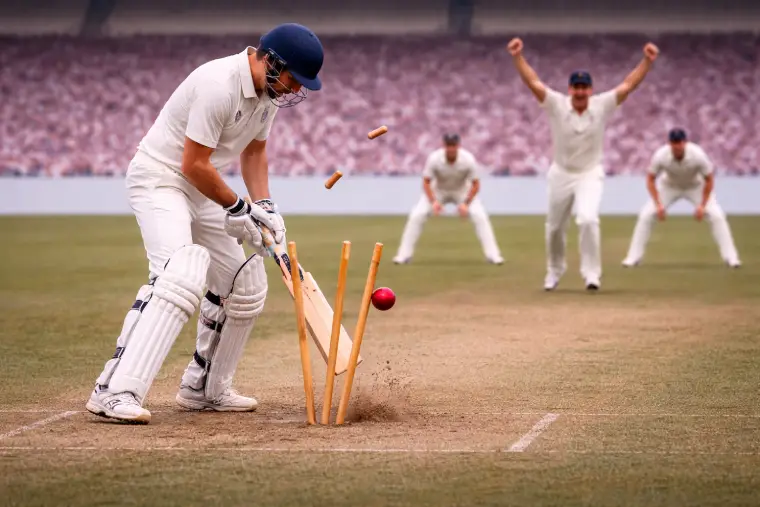
The conversation around Spin Vs Pace in middle overs of T20 while having strategy or game planning is always needed. Actually, this is a quiet phase between the powerplay and death overs, like how to utilize both, it is important since it is taken as per pitch conditions.
Today, over 7 to 15 are where games tilt. Teams don’t just survive this phase—they either build control or completely lose momentum. That’s why understanding Spin Vs Pace In Middle Overs T20 is no longer optional; it’s essential for teams aiming to win consistently.
Across recent ICC events and franchise leagues, one pattern stands out clearly. The side that handles this phase better—whether through spin control or pace disruption—usually ends up on top.
Why Middle Overs Define Modern T20 Matches
In earlier T20 formats, middle overs were often about rotating strike. That mindset has changed completely.
Now, this phase is about:
- Managing scoring tempo smartly
- Breaking partnerships at the right moment
- Building pressure without leaking boundaries
This is where the Middle Overs Bowling Strategy in T20 Cricket becomes critical. Teams are no longer sticking to one approach. Instead, they constantly shift between spin and pace based on match situations.
The growing importance of Spin Vs Pace in Middle Overs T20 comes from this tactical flexibility.
Check out Cricket Schedule (Matches & Timings):
Latest International & Domestic Cricket Schedule
Spin Vs Pace In Middle Overs T20: What The Numbers Reveal
Middle Overs (7–15) Global Performance Metrics (2024–2025)
| Bowling Type | Economy Rate | Strike Rate | Boundary % |
|---|---|---|---|
| Spin | 7.15 | 22.4 | 11.2% |
| Pace | 8.42 | 19.8 | 15.6% |
These numbers give us a clear base for Spin Vs Pace Performance Analysis In T20.
Spinners clearly dominate in terms of control. Their economy rate is significantly lower, and they concede fewer boundaries.

However, pacers strike more frequently. This creates a fascinating balance within Spin Vs Pace In Middle Overs T20—one controls the game, the other changes it.
Understanding The Spin Advantage In Middle Overs
The role of spin becomes more impactful once the field spreads and batters lose the advantage of powerplay restrictions.
This is where Spin Bowling Effectiveness T20 becomes visible.
Spinners bring:
- Variations in flight and pace
- Natural grip from worn pitches
- Ability to force mistimed shots
In many matches, spinners don’t just slow scoring—they create frustration. Batters often try to break free, which leads to mistakes.
This is a core part of Middle Overs Bowling Tactics, where patience becomes a weapon.
In the broader discussion of Spin Vs Pace in Middle Overs T20, spin often wins the battle of scoreboard pressure.
Why Pace Still Holds A Crucial Role
Despite spin dominance in control, pace continues to be a key attacking option.
Modern fast bowlers have adapted well. Instead of relying on swing, they focus on:
- Hard length deliveries
- Slower balls and cutters
- Surprise bouncers
This defines modern Pace Bowling Strategy T20.
When batters get comfortable against spin, introducing pace creates a sudden shift. The difference in speed disrupts timing and often leads to wickets.
This dynamic makes Spin Vs Pace In Middle Overs T20 more about timing than preference.
Find out more Cricket Series (Upcoming & Ongoing Tours):
Complete List of Ongoing & Upcoming Cricket Series
Real Match Scenarios That Highlight The Difference
Spin-Controlled Middle Overs
In several ICC matches, teams have used spin in tandem to lock down scoring.
During overs 7–15:
- Run rate drops significantly
- Boundaries become rare
- Pressure builds steadily
This demonstrates the Role Of Spinners And Pacers In Middle Overs T20, where spin sets the foundation.
Pace As A Tactical Surprise
On the other hand, teams like Australia often use pace as a surprise element.
After a sequence of spin overs, a sudden pace over changes the entire rhythm. Batters misjudge pace, leading to wickets.
This is a perfect example of Spin Vs Pace Impact in Middle Overs T20 Matches, where variation becomes the key weapon.
Balance Is The Real Winning Formula
The biggest takeaway from Spin Vs Pace In Middle Overs T20 is simple—no single approach works alone.
Successful teams follow a balanced pattern:
- Start with a spin to build pressure
- Introduce pace to break partnerships
- Adjust based on batter strengths
This is where the T20 Game Strategy and Bowling Balance become crucial.
The best captains read the game, not just follow plans.
Deeper Insights From Recent Trends
A closer look at T20 Cricket Bowling Analysis reveals some interesting patterns:
- Wrist spinners are taking more wickets than finger spinners
- Pacers using slower balls are more effective than those relying only on speed
- The middle overs economy rate often decides match outcomes
Maintaining a strong Bowling Economy Rate in T20 during this phase is directly linked to winning percentages.
Another key trend is evolving Wicket Taking Patterns Middle Overs, where deception plays a bigger role than raw pace.
New Evolution: Hybrid Bowling Approach
One emerging trend in T20 Match Middle Overs Insights is the rise of hybrid bowlers.
These bowlers combine:
- Pace with spin-like variations
- Cutters that grip the surface
- Reduced speed with increased control
This approach is changing the landscape of Spin Vs Pace in Middle Overs T20.
Instead of choosing between spin and pace, teams are blending both into one skillset.
Expert Perspective
Cricket analyst Aakash Chopra once noted:
“Middle overs are where smart teams quietly win games without making noise.”
That perfectly reflects the current reality of Spin Vs Pace In Middle Overs T20—it’s not always visible, but it’s always decisive.
Final Verdict
So, Spin Vs Pace In Middle Overs T20 actually says a lot, and this decision is generally taken by the captain, obviously, and it may change the direction of the game. In limited overs T20 games, it is critical and part of full game analysis.
look like?
- Spin dominates control and builds pressure
- Pace delivers breakthroughs and shifts momentum
But the real winners are teams that combine both effectively.
In modern T20 cricket, success in this phase isn’t about choosing sides—it’s about reading situations, adapting quickly, and executing smartly.
Explore Cricket Teams (All Nations & Squads):
All International & Associate Cricket Teams Guide
FAQs
What makes middle overs important in T20 cricket?
They control match momentum by managing scoring rate and building pressure.
Why do teams prefer spin in the middle overs?
Spin offers better control, reduces boundaries, and creates scoring pressure.
Can pace bowlers be effective in the middle overs?
Yes, especially through variations like slower balls and hard lengths.
Which has a better economy in the middle overs, spin or pace?
Spin generally maintains a lower economy rate.
What is the best bowling approach in the middle overs?
A balanced mix of spin and pace based on match conditions works best.