
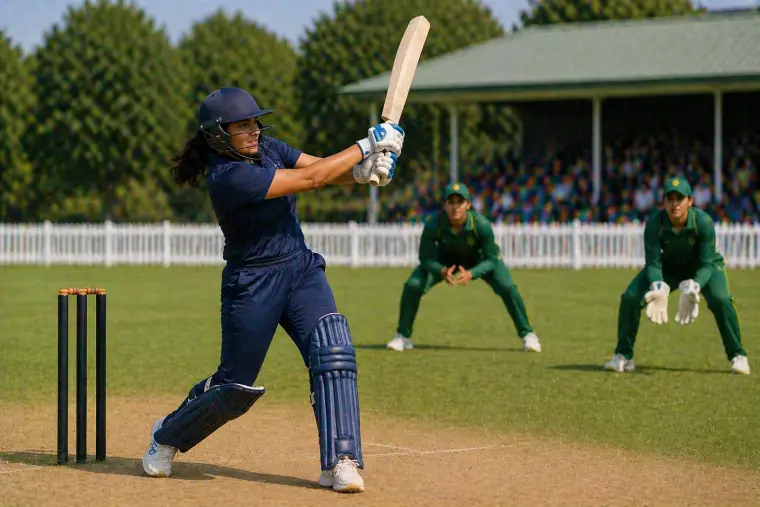
A modern women’s cricketer can now earn more in a few weeks than what was once considered a full-season income or sometimes 2-5 years’ earnings of a great player. That single shift explains why financial comparisons are now central to the sport. The clear reason is that it happens when players jump from one league to another.
This WPL vs WBBL Player Salaries Comparison breaks down the numbers, structures, and trends behind player earnings. Instead of surface-level differences, this analysis focuses on why the gap exists and how each league’s system shapes player income.
Understanding the Core Concept
To properly evaluate this WPL vs WBBL Player Salaries Comparison, you need to understand that both leagues follow completely different financial philosophies.
The WPL Player Auction Price List is driven by open bidding. Teams compete aggressively, pushing prices higher based on demand, role, and brand value. This creates a high-ceiling earning environment.
In contrast, the WBBL Contract and Salary System operates within strict salary bands. Payments are pre-structured, ensuring that earnings are distributed more evenly across squads.
This is the core Difference Between WPL and WBBL Player Salaries—one is market-driven, the other is system-driven.
Data Comparison & Statistical Evidence
This WPL Vs WBBL Salary Comparison 2026 Detailed Analysis becomes clearer when we look at actual numbers.
| Metric | WPL 2026 | WBBL 2025–26 |
|---|---|---|
| Team Salary Cap | ₹15 Crore (~$1.8M) | ~$500K USD |
| Max Player Salary | ~$420K USD | ~$72K USD |
| Average Player Salary | ~$80K–100K USD | ~$35K USD |
| Tournament Duration | 3–4 Weeks | 6–8 Weeks |
| Per Match Earnings | ~$46K | ~$5K |
This table highlights the most important insight from the WPL vs WBBL Player Salaries Comparison:
WPL maximizes peak earnings, while WBBL balances team-wide distribution.
Key Reasons Behind the Trend
Structural Differences
The first major reason behind the WPL vs WBBL Player Salaries Comparison gap is the league structure.
- WPL operates with fewer teams and higher spending concentration
- WBBL spreads its budget across more players and longer seasons
This structural difference directly impacts salary ceilings and earning spikes.
Revenue and Market Scale
A crucial factor in this WPL Vs WBBL Financial Comparison is market size.
- India generates significantly higher broadcast revenue
- Sponsorship deals are larger and more competitive
- Audience reach is wider
This directly fuels higher player salaries, especially for marquee names.
For a deeper look at top earners in WBBL, check out the WBBL salary insights and player list.
Auction Dynamics vs Fixed Contracts
The WPL Vs WBBL Salary Structure and Pay Scale Breakdown shows how auctions influence earnings.
- In WPL, bidding wars inflate prices
- In WBBL, contracts remain controlled
This is why the Highest Paid Players In WPL Vs WBBL Comparison shows such a large gap at the top level.
Skill-Based Premium
Another key observation from this Women’s T20 League Earnings Analysis is how skill impacts salary.
- All-rounders attract higher bids
- Power hitters and death bowlers earn premiums
- Uncapped Indian players see unexpected spikes
This trend is far less aggressive in WBBL due to capped structures.
Why the Opposite Scenario Fails
If WBBL offers stability, why doesn’t it produce similar top salaries?
The answer lies in intent.
- Salary caps restrict inflation
- Teams cannot overspend even for star players
- Contracts aim for long-term sustainability
While this ensures consistency, it limits earning peaks.
This is why the WPL vs WBBL Player Salaries Comparison consistently shows WPL dominating top-end earnings.
Real Match Examples
Ashleigh Gardner Example
A strong reflection of the WPL vs WBBL Player Salaries Comparison is Ashleigh Gardner’s earnings.
- WPL: Around $420K for a short tournament
- WBBL: Significantly lower under the salary cap
Despite similar performance levels, the earnings gap is massive.
Shreyanka Patil Impact
Her rise highlights a hidden advantage in the WPL vs WBBL Player Salaries Comparison.
- WPL exposure increased her visibility
- Higher brand value led to better contracts globally
This shows WPL acts as a value multiplier.
Uncapped Player Surge
WPL auctions have pushed uncapped players into high salary brackets.
- ₹40–75 lakh deals are now common
- Similar spikes are rare in WBBL
This reinforces the aggressive nature of WPL earnings.
Expert Insight
One overlooked factor in the WPL vs WBBL Player Salaries Comparison is earning efficiency.
WPL offers the highest per-match earning rate in women’s cricket.
- Shorter duration
- Higher payouts
- Lower workload
This shifts player strategy toward prioritizing WPL participation.
It also explains emerging Salary Trends in Women’s Franchise Cricket, where players focus on leagues offering maximum return in minimum time.
Deeper Trend: Earnings vs Stability
The WPL vs WBBL Player Salaries Comparison is not just about numbers—it reflects two career paths.
WPL model:
- High risk, high reward
- Short-term earning spikes
- Strong commercial exposure
WBBL model:
- Stable yearly income
- Balanced contracts
- Long-term career security
This dual system shapes how players plan their careers today.
Conclusion
The most important takeaway from this WPL vs WBBL Player Salaries Comparison is not who pays more – but how differently they operate, financially. It depends only on how much sponsorship a league gets; it all depends on players’ performances.
WPL has redefined earning potential in women’s cricket.
WBBL continues to define professional stability.
As both systems evolve, the real winner is the player—who now has multiple pathways to build both wealth and career longevity.
FAQs
Why is WPL ahead in player salaries?
Because of auction dynamics, larger revenue, and aggressive bidding.
Does WBBL offer better long-term security?
Yes, through structured contracts and domestic support systems.
Who earns more in WPL vs WBBL Player Salaries Comparison?
Top-tier players earn significantly more in WPL.
Are uncapped players benefiting from WPL?
Yes, many have seen sharp salary increases through auctions.
Will this gap continue in the future?
It may reduce, but WPL currently holds a strong financial edge.