
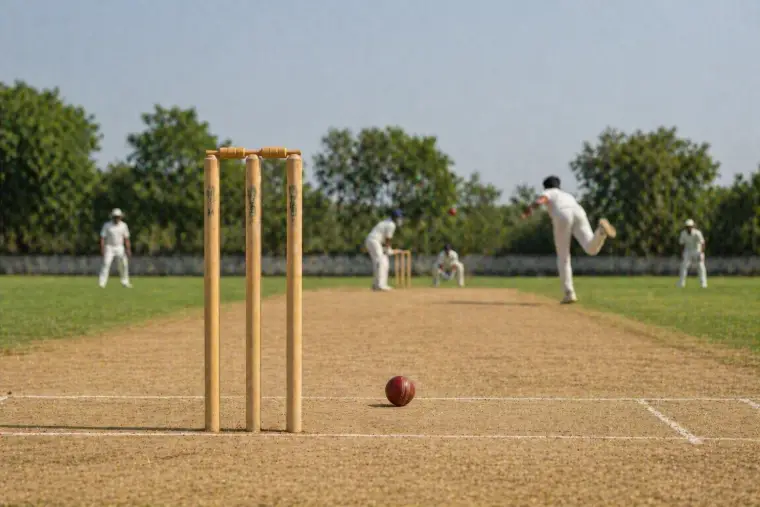
In T20 cricket, a difference of just 8–10 meters in boundary size can change a match outcome entirely, and it matters a lot. The reason is that in T20 cricket, players like to play faster and deal with boundaries. If the boundary size increases, then teams/players will have issues or plan to play biggers shots.
That’s why the IPL vs PSL vs BBL Pitch & Boundary Size comparison has become one of the most important analytical topics in modern cricket. It’s no longer just about players or teams—conditions now define how the game is played.
From flat decks in India to pace-friendly tracks in Pakistan and massive outfields in Australia, each league creates a completely different playing environment. This article breaks down the numbers, trends, and deeper reasons behind these differences.
Understanding the Core Concept
To understand the IPL vs PSL vs BBL Pitch & Boundary Size debate, we need to focus on two core elements:
- Pitch behavior (pace, bounce, spin)
- Boundary dimensions (distance and angles)
In any T20 pitch dimensions comparison, these two factors directly impact scoring rates and match outcomes.
For example:
- Short boundaries + flat pitch = High-scoring games
- Long boundaries + fast pitch = Controlled scoring
The pitch nature in India Pakistan and Australia varies significantly:
- India: Slower surfaces that flatten out
- Pakistan: Balanced but pace-friendly
- Australia: Hard surfaces with extra bounce
This is where cricket stadium measurements explained become critical in understanding how leagues differ.
Data Comparison & Statistical Evidence
Below is a clear data-driven comparison based on recent seasons:
| Feature | IPL Avg | PSL Avg | BBL Avg |
|---|---|---|---|
| Square Boundary | 58m – 65m | 66m – 72m | 72m – 78m |
| Straight Boundary | 70m – 75m | 74m – 78m | 78m – 84m |
| Avg 1st Innings Score | 188–195 | 170–178 | 160–168 |
| Pitch Type | Flat / Spin | Seam / Balanced | Bounce / Carry |
This table highlights the stadium boundary size impact on T20 leagues comparison clearly.
Key Data Insights
- IPL consistently produces higher scores due to the smaller grounds
- PSL sits in the middle with balanced scoring
- BBL has lower averages because of larger boundaries
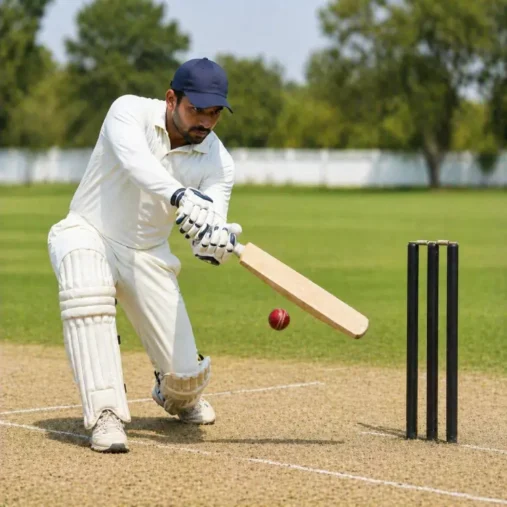
The average boundary size in cricket stadiums directly impacts how aggressive teams can be.
This is why the IPL vs PSL vs BBL Pitch & Boundary Size comparison is essential for understanding modern T20 trends.
For a deeper look at how player earnings have evolved over the years(BBL), check out this BBL salary insights and top earners list.
Key Reasons Behind the Trend
Structural Differences
One major factor in the IPL Vs PSL Vs BBL Pitch Size Comparison Analysis is stadium design.
- IPL stadiums are compact and built for cricket
- PSL venues are more traditional with balanced dimensions
- BBL stadiums are large multi-purpose venues
This creates a clear divide in short boundaries vs long boundaries in T20.
Shorter boundaries reduce risk for batters, while longer boundaries reward bowlers and fielders.
Data Snapshot: IPL vs PSL vs BBL Pitch & Boundary Size
- The IPL vs PSL vs BBL Pitch & Boundary Size comparison shows IPL boundaries average 58–65m, driving higher scoring rates above 185 runs.
- PSL maintains balanced dimensions (66–72m), supporting competitive totals around 170+.
- BBL features the largest grounds (72–84m), reducing boundary frequency and average scores below 165.
- Data confirms that boundary size directly influences strike rate, six percent, and overall match tempo.
Tactical Factors
How pitch conditions affect IPL, PSL, and BBL matches is reflected in team strategies.
- IPL teams prioritize power hitters
- PSL teams focus on fast bowlers
- BBL teams value all-round balance
In IPL conditions, even mishits can go for six.
In BBL, timing alone isn’t enough—you need power and placement.
This difference defines run scoring trends in T20 leagues.
Skill Gap Impact
Different leagues reward different skill sets:
- IPL → Clean hitting and spin handling
- PSL → Pace handling and seam movement
- BBL → Adaptability across conditions
This explains why players perform differently across leagues despite similar formats.
The IPL vs PSL vs BBL Pitch & Boundary Size factor directly influences player success.
Why the Opposite Scenario Fails
Applying one league’s strategy to another often leads to failure.
- IPL batting aggression fails in BBL due to long boundaries
- PSL pace dominance loses edge on IPL flat tracks
- BBL defensive cricket struggles in high-scoring IPL matches
The key issue is the misunderstanding of the impact of ground size on high-scoring matches.
Example:
A lofted shot clearing a 60m boundary in IPL
may not even reach the rope on a 78m BBL ground.
This is why teams must adapt rather than copy strategies.
Real Match Examples
Bengaluru (IPL)
Matches at M. Chinnaswamy Stadium regularly cross 200+ totals.
Short boundaries and fast outfield make it a batting paradise.
This is a clear case of batting friendly vs bowling friendly pitches leaning heavily toward batters.
Lahore (PSL)
At Gaddafi Stadium, fast bowlers often dominate early overs.
Balanced boundary sizes ensure matches stay competitive.
This shows how boundary dimensions in the Indian Premier League vs Pakistan Super League vs Big Bash League differ in real scenarios.
Melbourne (BBL)
At MCG, even well-timed shots struggle to clear boundaries.
Large outfield adds pressure on batters.
This highlights the real impact of the IPL vs PSL vs BBL Pitch & Boundary Size differences.
Expert Insight
One underrated factor in the IPL vs PSL vs BBL Pitch & Boundary Size analysis is psychological pressure.
- In IPL, bowlers operate with minimal margin for error
- In PSL, batters face uncertainty against pace
- In BBL, distance forces smarter shot selection
Another emerging trend is boundary adjustments during tournaments.
Leagues are now slightly modifying boundary lengths to maintain balance between bat and ball. This dynamic approach is shaping modern T20 cricket.
This insight is often ignored but plays a crucial role in match outcomes.
Conclusion
The IPL vs PSL vs BBL Pitch & Boundary Size comparison shows that conditions define identity. Teams/players obviously plan their batting/bowling by checking the length of the boundaries. Once the batter starts batting, take care of how to play shots and where to play as per the sizes. It obviously differs by match and by league as per full analysis.
Each league offers a different challenge:
- IPL pushes scoring limits
- PSL balances bat and ball
- BBL tests physical and mental endurance
The biggest takeaway is simple:
Success in T20 cricket now depends on understanding conditions as much as skill.
Players who adapt to pitch and boundary realities consistently outperform others.
FAQ
What is the main difference in IPL vs PSL vs BBL Pitch & Boundary Size?
IPL has smaller boundaries, PSL is balanced, and BBL has the largest grounds.
Why do IPL produce higher scores than PSL and BBL?
Shorter boundaries and flatter pitches make scoring easier in IPL.
How do pitch conditions affect IPL, PSL, and BBL matches?
Pitch behavior influences batting difficulty, bowling impact, and scoring patterns.
Which league has the toughest conditions for batters?
BBL is generally tougher due to large grounds and bouncy pitches.
Do boundary sizes really impact match results?
Yes, even small differences in boundary size can significantly affect scoring and strategy.